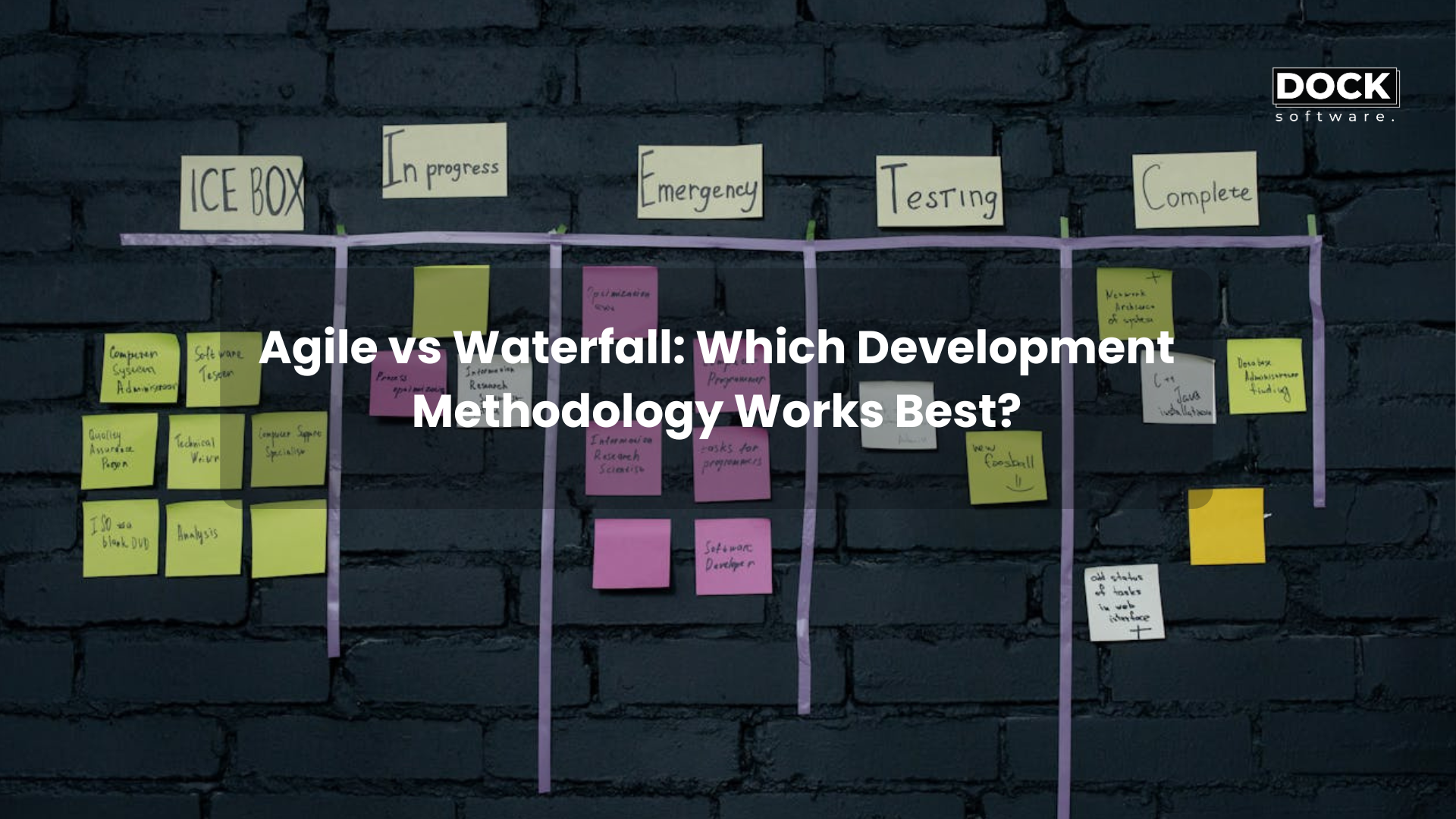
In the world of software development, choosing the right methodology can determine whether a project succeeds or struggles. Two of the most widely used approaches are Agile and Waterfall. Each has its own strengths, weaknesses, and ideal use cases. Understanding how they differ is essential for businesses, developers, and project managers aiming to deliver high-quality software efficiently.
Understanding the Waterfall Methodology
Waterfall is one of the oldest and most traditional software development methodologies. It follows a linear, sequential approach where each phase of the project must be completed before the next one begins. The typical stages include requirements gathering, design, development, testing, deployment, and maintenance.
This structured process makes Waterfall easy to understand and manage. Since everything is planned upfront, teams have a clear roadmap, and stakeholders know exactly what to expect. Documentation is a key component, ensuring that every detail is recorded before development begins.
However, this rigidity can also be a disadvantage. Once a phase is completed, making changes becomes difficult and costly. If requirements evolve during the project—as they often do in today’s fast-paced digital landscape—waterfall can struggle to adapt. This makes it less suitable for projects where flexibility is crucial.
Understanding the Agile Methodology
Agile, on the other hand, is a modern and flexible approach that focuses on iterative development. Instead of completing the entire project in one go, Agile breaks it down into smaller units called sprints. Each sprint typically lasts two to four weeks and delivers a functional part of the software.
Agile emphasizes collaboration, continuous feedback, and adaptability. Teams work closely with stakeholders, making it easier to incorporate changes and improvements throughout the development process. This iterative nature allows businesses to respond quickly to market demands and user feedback.
One of Agile’s biggest strengths is its ability to deliver value early and often. Instead of waiting months for a final product, clients can see progress in real time and provide input along the way. However, Agile requires strong communication and active involvement from all stakeholders. Without proper coordination, projects can become disorganized or lose focus.
Key Differences Between Agile and Waterfall
The primary difference between Agile and Waterfall lies in their approach to project execution. Waterfall is linear and structured, while Agile is iterative and flexible.
In Waterfall, requirements are defined up front, and changes are discouraged once development starts. In Agile, requirements can evolve throughout the project, allowing teams to adapt to new insights and changing needs.
Another major difference is delivery. Waterfall delivers the final product at the end of the project, whereas Agile delivers smaller, functional increments throughout the development cycle. This makes Agile more suitable for projects where time-to-market is critical.
Additionally, Waterfall relies heavily on documentation, while Agile prioritizes working software and direct communication. Agile teams often use daily stand-ups, sprint reviews, and retrospectives to stay aligned and continuously improve.
When to Choose Waterfall
Despite its limitations, Waterfall is still a valuable methodology in certain scenarios. It works best for projects with well-defined requirements that are unlikely to change. Industries such as construction, manufacturing, and regulated sectors often prefer Waterfall due to its structured nature and emphasis on documentation.
Waterfall is also suitable for smaller projects with a clear scope and timeline. When stakeholders have a fixed vision and minimal need for changes, this methodology can deliver predictable results.
When to Choose Agile
Agile is ideal for projects that require flexibility, innovation, and rapid delivery. It is particularly effective in software development environments where requirements are constantly evolving. Startups, tech companies, and digital product teams often rely on Agile to stay competitive.
If user feedback plays a significant role in shaping the product, Agile is the better choice. Its iterative approach ensures that the final product aligns closely with user expectations and market demands.
Agile is also beneficial for complex projects where it’s difficult to define all requirements upfront. By working in sprints, teams can experiment, learn, and improve continuously.
Which Methodology Works Best?
There is no one-size-fits-all answer to this question. The choice between Agile and Waterfall depends on the nature of the project, the level of flexibility required, and the stakeholders' preferences.
In many cases, organizations are now adopting a hybrid approach that combines elements of both methodologies. For example, they may use Waterfall for initial planning and Agile for development and testing. This allows teams to benefit from structure while maintaining flexibility.
Ultimately, the best methodology is the one that aligns with your project goals, team capabilities, and business objectives. Understanding the strengths and limitations of both Agile and Waterfall will help you make an informed decision and increase your chances of project success.
Conclusion
Agile and Waterfall each offer unique advantages, and both remain relevant in today’s software development landscape. Waterfall provides structure and predictability, while Agile offers flexibility and continuous improvement. By carefully evaluating your project requirements and goals, you can choose the methodology that delivers the best results for your business.
In an industry where change is constant, the ability to select and adapt the right development approach is not just an advantage—it’s a necessity.
About Dock Software
Insights & Innovation