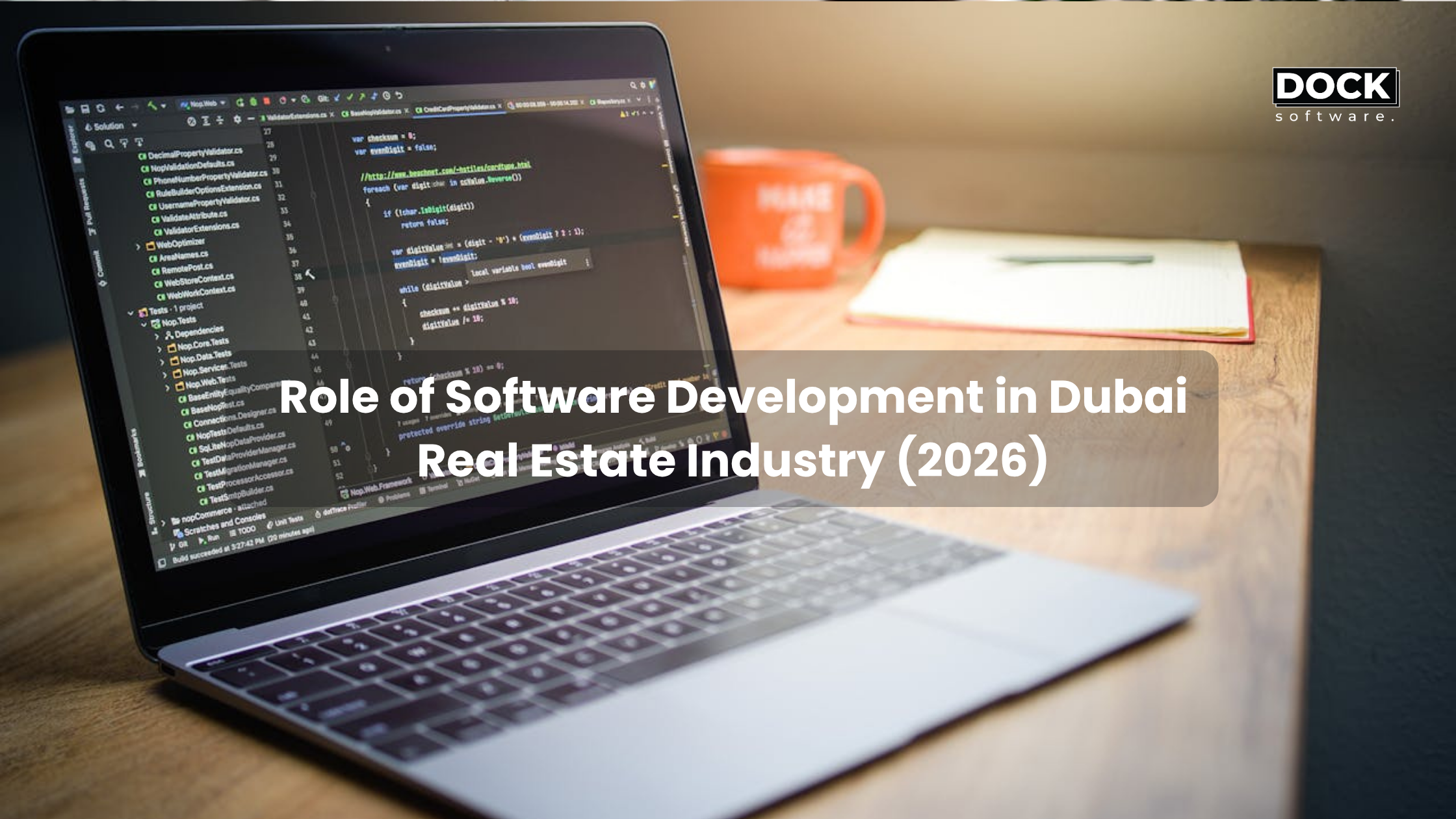
The real estate sector in Dubai has always been one of the strongest pillars of its economy. With rapid urban development, high investor interest, and a growing population, the demand for smarter and more efficient real estate solutions has increased significantly. This is where software development plays a critical role.
In 2026, software is not just supporting the real estate industry—it is transforming how properties are bought, sold, managed, and experienced. From property listing platforms to AI-driven analytics, technology is reshaping the entire ecosystem.
Digital Transformation in Real Estate
The shift toward digital platforms in Dubai has revolutionized the way real estate businesses operate. Traditional methods of property transactions are being replaced by online portals, mobile applications, and cloud-based systems.
Buyers and investors can now:
· Browse properties online
· Take virtual tours
· Compare prices and locations
· Complete transactions digitally
This level of convenience has increased market transparency and accessibility, especially for international investors.
Property Portals and Mobile Applications
One of the most visible impacts of software development in Dubai is the rise of property listing platforms and mobile apps.
These platforms offer:
· Advanced search filters
· Real-time property updates
· High-quality images and videos
· Integration with maps and location data
Mobile apps further enhance user experience by allowing users to search, shortlist, and contact agents instantly. For real estate companies, these platforms act as powerful marketing tools to reach a global audience.
AI and Data-Driven Decision Making
Artificial Intelligence (AI) is becoming a game changer in the real estate market of Dubai.
AI-powered tools help:
· Predict property price trends
· Analyze market demand
· Recommend properties based on user behavior
· Automate customer interactions through chatbots
Data analytics also enables developers and investors to make informed decisions, reducing risks and maximizing returns.
Virtual Tours and Augmented Reality
Software innovations such as Virtual Reality (VR) and Augmented Reality (AR) are redefining property viewing experiences.
In Dubai, buyers can now:
· Explore properties remotely through 3D tours
· Visualize interiors before construction is completed
· Experience off-plan projects in a realistic way
This technology is especially beneficial for international buyers who cannot physically visit properties before making a purchase.
CRM and Property Management Systems
Customer Relationship Management (CRM) systems are essential for real estate companies in Dubai.
These systems help:
· Manage leads and client interactions
· Track sales pipelines
· Automate follow-ups and marketing campaigns
Property management software is also widely used for:
· Rent collection
· Maintenance scheduling
· Tenant communication
· Financial reporting
This improves operational efficiency and enhances customer satisfaction.
Blockchain and Smart Contracts
Dubai is actively adopting blockchain technology in real estate transactions.
Blockchain-based systems offer:
· Secure and transparent transactions
· Reduced paperwork
· Faster property transfers
· Smart contracts for automated agreements
These innovations reduce fraud risks and increase trust among buyers and investors in Dubai.
Smart Homes and IoT Integration
The rise of smart homes is another area where software development is making a significant impact.
Modern properties in Dubai now include:
· Smart lighting and climate control
· Security systems with remote access
· Voice-controlled automation
· Energy management systems
These features not only enhance convenience but also increase property value and appeal.
Benefits for Real Estate Businesses
Software development provides several advantages to real estate companies:
· Increased efficiency and automation
· Better customer engagement
· Data-driven marketing strategies
· Improved transparency and trust
· Faster transaction processes
For developers and agencies, adopting technology is no longer optional—it is essential for staying competitive.
Challenges and Considerations
Despite the benefits, there are challenges involved:
· High initial development costs
· Cybersecurity risks
· Need for continuous updates and maintenance
· Training staff to use new systems
However, with the right strategy, these challenges can be effectively managed.
Future of Software in Dubai Real Estate
The future of real estate in Dubai is deeply connected to technology. Emerging trends include:
· AI-powered investment platforms
· Fully digital property transactions
· Metaverse-based property showcasing
· Advanced predictive analytics
As Dubai continues to grow as a global real estate hub, software development will play an even more crucial role in shaping the industry.
Conclusion
Software development has become a driving force behind the transformation of the real estate industry in Dubai. From improving customer experiences to streamlining operations and enabling smarter investments, technology is redefining every aspect of the market.
In 2026 and beyond, companies that embrace digital innovation will lead the industry, while those that resist change risk falling behind. For investors, developers, and buyers alike, software is not just a tool—it is the future of real estate in Dubai.
About Dock Software
Insights & Innovation